
Access the Power You Need, When You Need It
High-powered equipment may only require maximum power for short periods, yet businesses can still face the cost and infrastructure requirements of supporting that excessive peak power demand all day, every day.
Star 8 Green’s Manage Peak Power solution stores energy during lower-demand periods and makes it available when equipment requires additional short-term peak power usage.
This can help businesses:
Reduce reliance on expensive peak grid demand;
Significantly reduce peak power costs, depending on the site’s tariff and demand profile;
Make better use of existing electrical infrastructure;
Support high-powered equipment when required;
Reduce or delay increases in grid capacity;
Consider locations where additional power may be difficult or expensive to obtain.
Why pay for peak capacity you only need periodically?
Discuss Your Power Requirements
What Is Manage Peak Power?
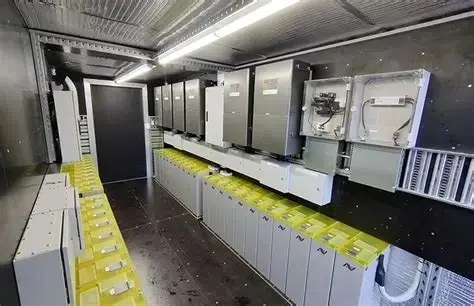
Manage Peak Power is a battery energy storage solution that allows businesses to store energy when electrical demand is lower and use that stored energy when equipment requires significantly more power.
A business may not have an overall energy problem. It may simply have a peak demand problem.
Equipment can operate at moderate power for much of the day but require substantially more during particular stages of operation. Instead of relying entirely on the grid during those peaks, stored energy can supplement the site’s available supply.
How Does Manage Peak Power Work?
Manage Peak Power stores energy during lower-demand periods and supplies it when equipment requires additional short-term power, helping reduce peak grid demand and support high-powered operations.

1. Charge
The battery stores energy while site demand is lower, and electrical capacity is available. Where suitable tariffs apply, charging may also occur during lower-cost periods.

2. Monitor
The system monitors site and equipment demand.

3. Supply Peak Power
When demand rises, stored energy works alongside the existing supply to reduce the amount of peak power drawn directly from the grid.

4. Recharge
When demand falls, available capacity replenishes the battery.
How Manage Peak Power Works
Store energy during lower-demand periods and use it during peak equipment operation to reduce grid reliance, manage costs, and support higher power requirements.
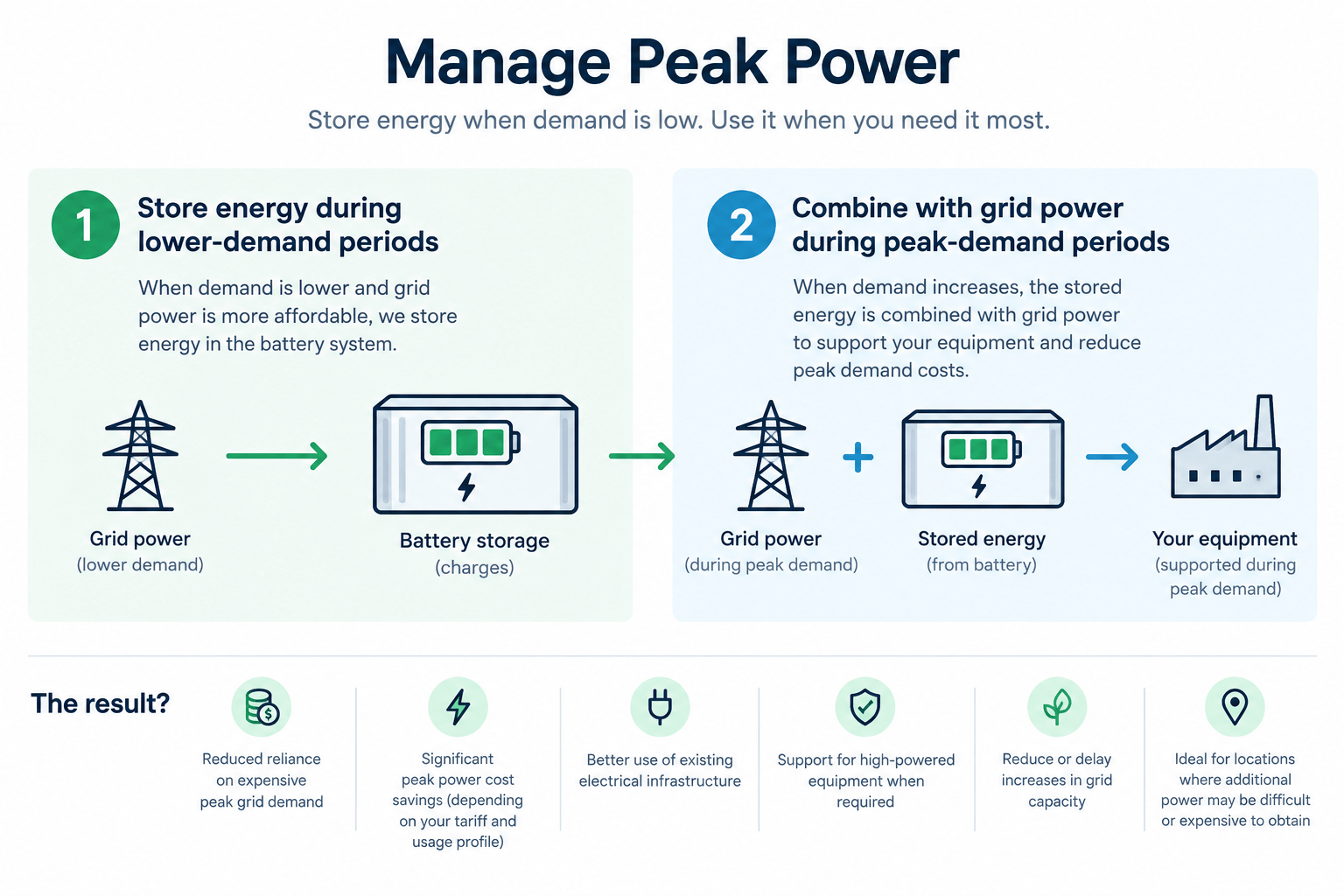
NORMAL GRID DEMAND
↓
BATTERY STORES ENERGY
↓
EQUIPMENT REACHES PEAK DEMAND
↓
GRID + STORED ENERGY
↓
HIGH-POWER EQUIPMENT OPERATES
Store energy when demand is lower. Use it when demand is higher.

Reduce Peak Demand Costs
Depending on the site’s electricity tariff and network arrangements, businesses may incur costs linked to maximum demand.
If that maximum demand occurs only periodically, battery storage may help reduce the amount of peak power drawn directly from the grid.
Access Additional Power
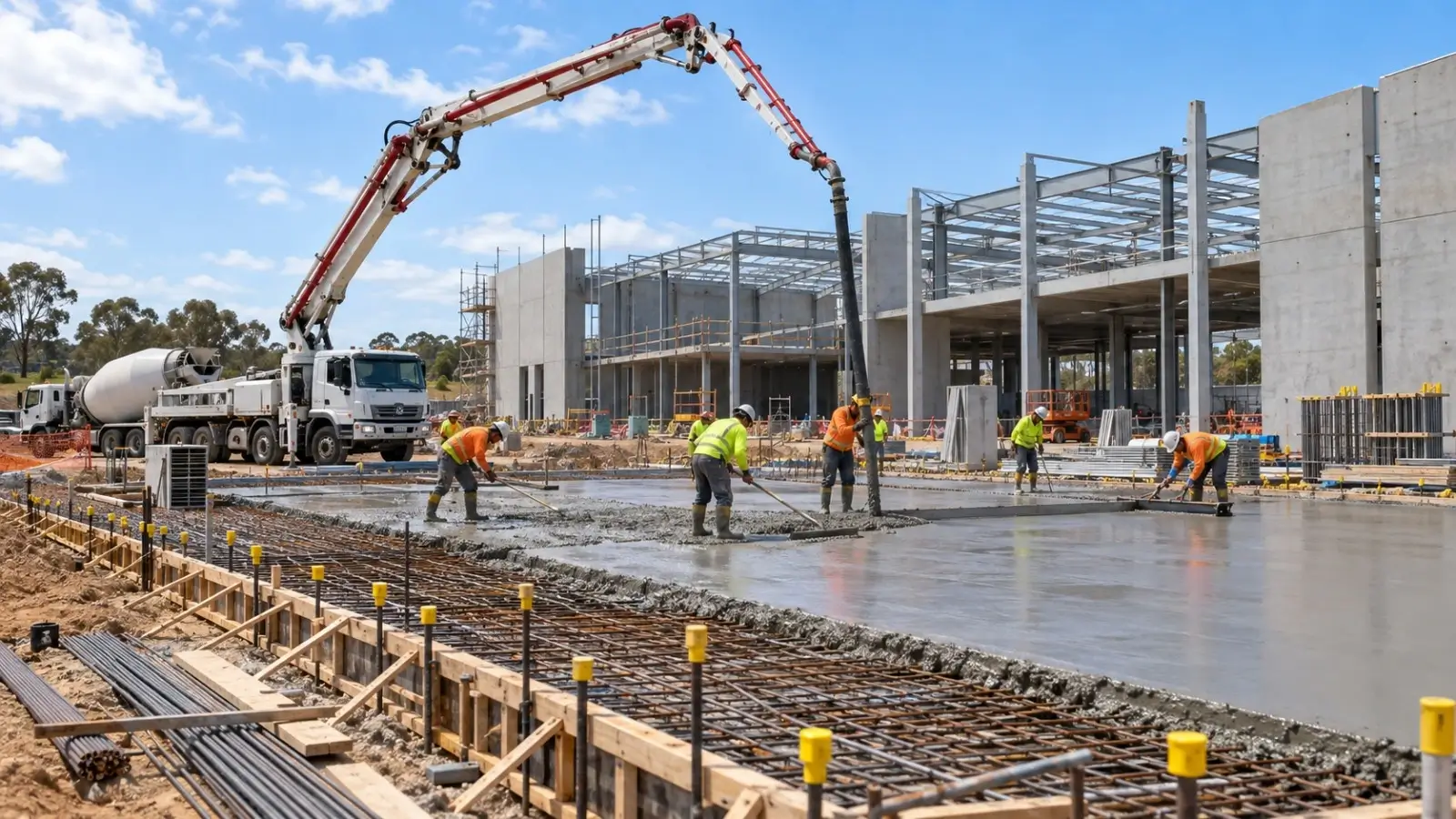
Additional grid capacity may be expensive, slow to obtain, or unavailable at some locations.
Manage Peak Power can provide additional power during high-demand periods without automatically increasing the site’s entire connection.
Increase Location and Expansion Flexibility
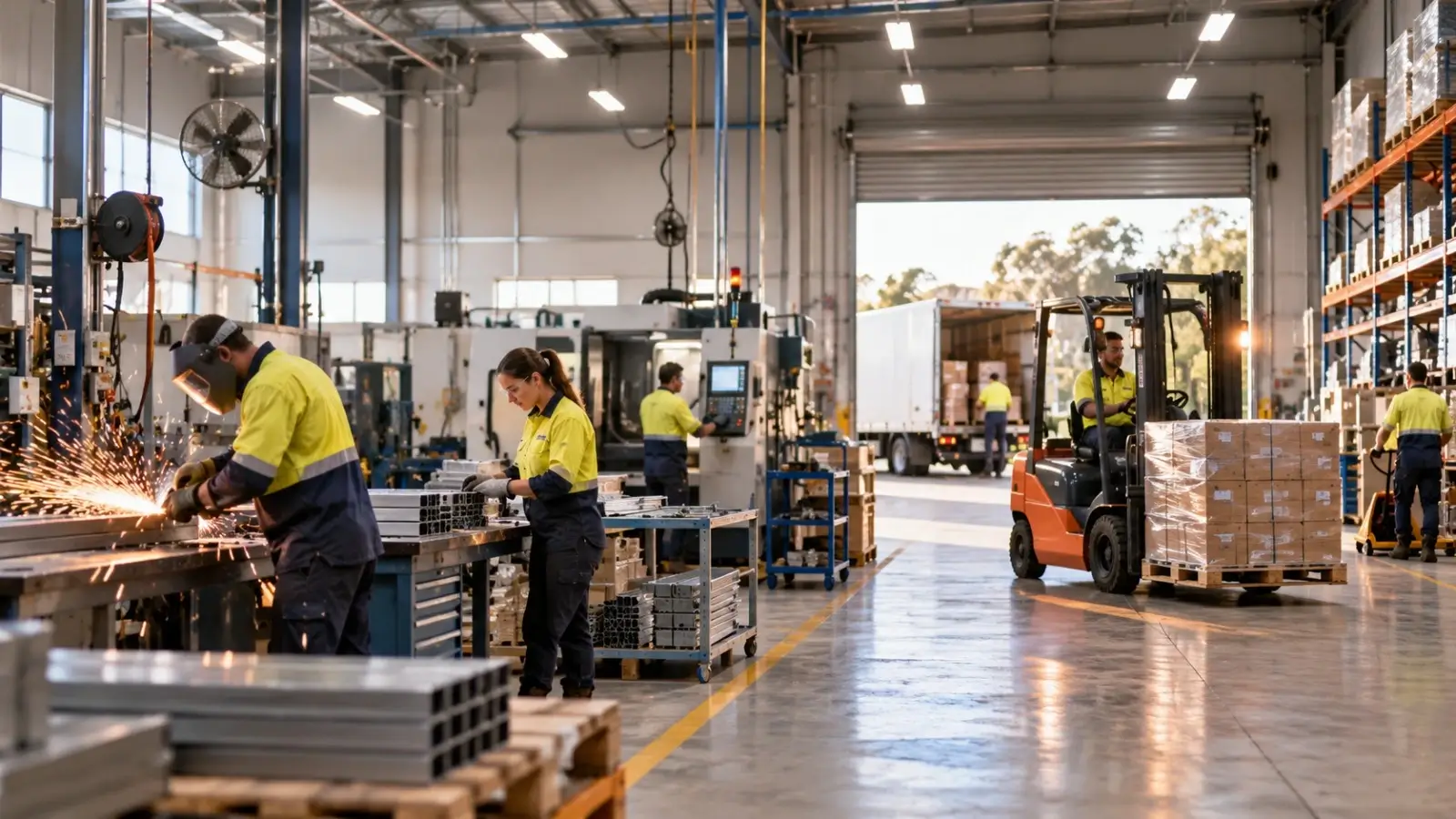
Available electrical capacity can influence where a clinic or practice is established, which industrial property is suitable and whether new machinery can be installed.
Manage Peak Power can reduce the extent to which those decisions are dictated by peak grid capacity alone.
Where Can Manage Peak Power Be Used?
The strongest applications generally involve equipment where peak demand is significantly higher than normal operating demand.

Healthcare & Medical Imaging
Medical imaging equipment such as MRI, CT, X-ray, and PET systems can create substantial electrical demand.
A clinic may have enough power to operate normally but face much higher demand costs because the electrical supply must accommodate relatively short periods of maximum equipment load.
In other cases, a preferred clinic location may not have sufficient peak capacity readily available.
Manage Peak Power can potentially support both situations by storing energy during lower-demand periods and supplying additional power when imaging equipment requires it.
Potential benefit: reduce peak-demand exposure and give healthcare providers greater freedom to choose locations based on patients and commercial requirements rather than available electrical capacity alone.
CNC & Precision Manufacturing
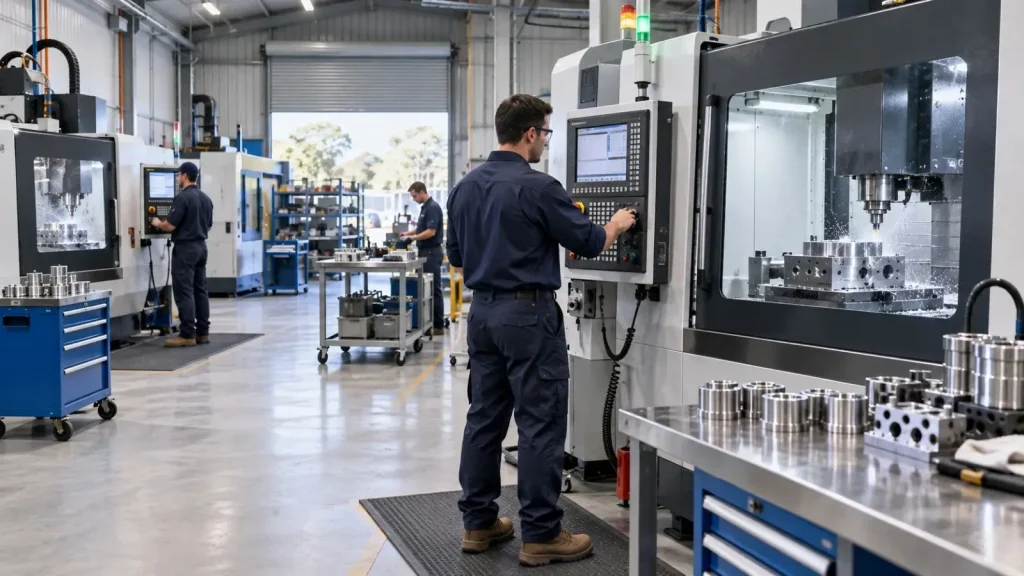
CNC mills, lathes, machining centres and automated production equipment can experience substantial changes in electrical demand throughout their operating cycles.
A precision manufacturer may have sufficient electrical capacity for normal production but encounter high peaks during acceleration, spindle operation or simultaneous machine use.
Manage Peak Power may allow stored energy to support these periods rather than relying entirely on maximum grid demand.
Potential benefit: reduce peak demand costs, support additional machinery, and increase the usable electrical capacity of an existing workshop without automatically increasing permanent supply capacity.
Metal Fabrication & Laser Cutting
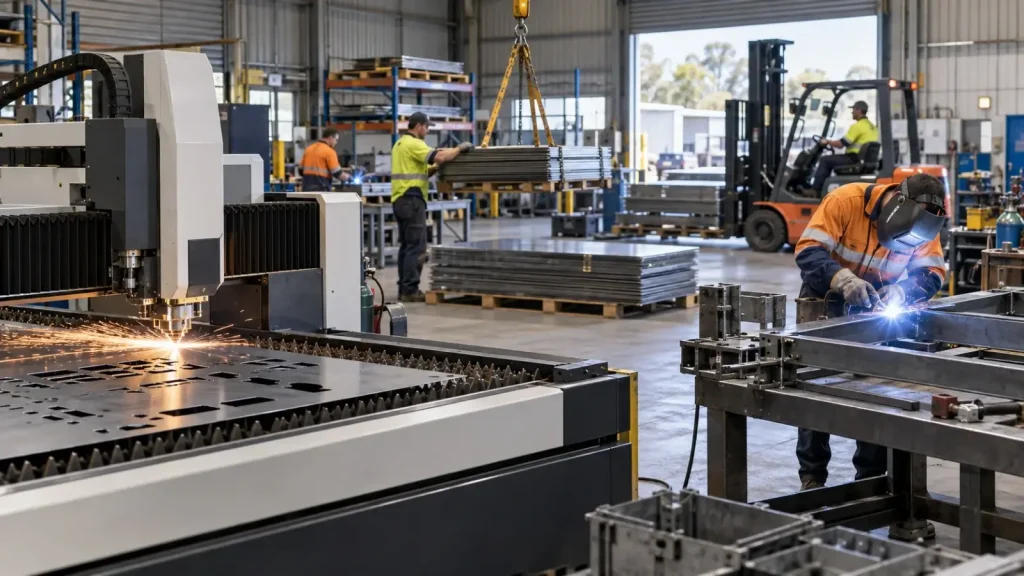
Fabrication workshops often combine laser cutters, CNC machinery, press brakes, welders, compressors and extraction systems.
Maximum demand can occur when several systems operate at the same time, even though that level of power is not required continuously.
Manage Peak Power may provide stored energy during these overlapping demand periods, reducing reliance on peak grid capacity.
Potential benefit: increase workshop capability and support additional production equipment without designing the entire site’s electrical infrastructure around occasional maximum demand.
Injection Moulding & Plastics Manufacturing
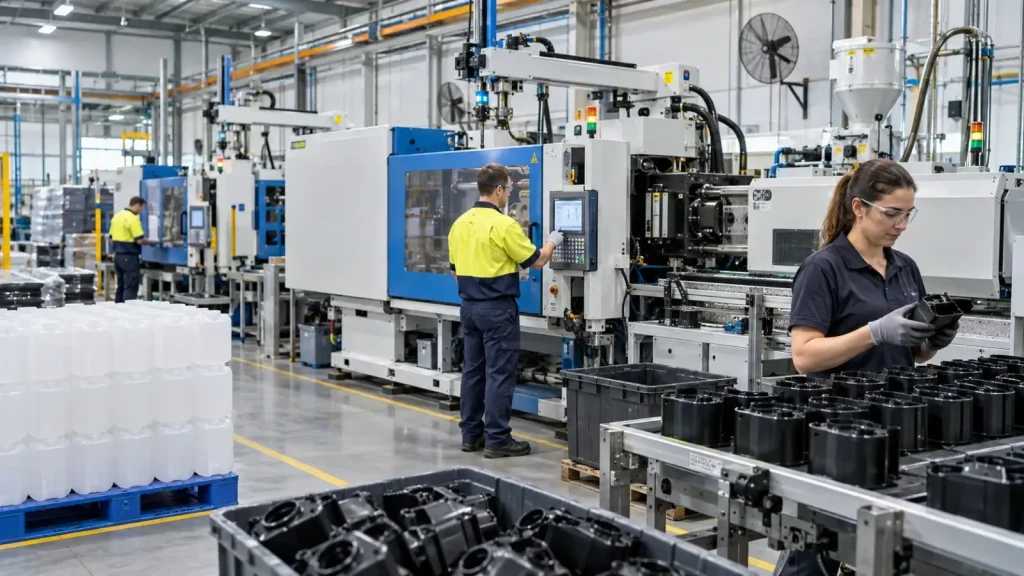
Injection moulding is a cyclic process where electrical demand changes through machine movement, clamping, injection, heating, cooling, and automation.
For manufacturers operating several machines, peak loads can be substantially higher than average site demand.
Manage Peak Power may allow stored energy to support these production peaks and recharge during lower-demand stages of the cycle.
Potential benefit: reduce peak grid demand and support additional manufacturing capacity where electrical infrastructure would otherwise restrict expansion.
Construction – Cranes & Hoists
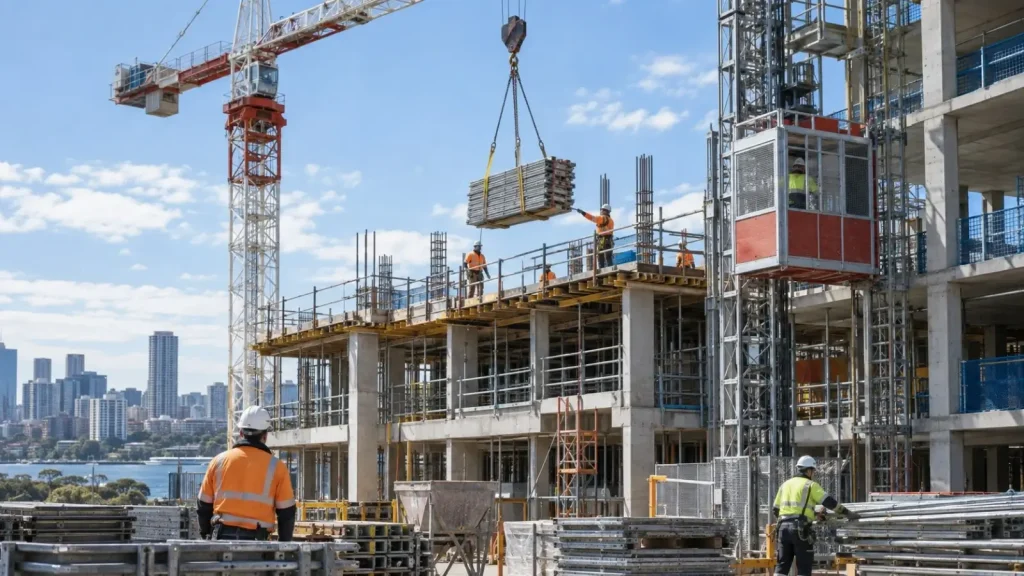
Cranes and construction hoists can require substantial power during lifting, acceleration and movement but far less between operating cycles. This makes construction a strong potential application for portable peak-power management.
A battery energy storage system can be transported between sites, charged when power is available, and used to support high-demand equipment where sufficient grid capacity may not be available.
Battery storage can also accumulate energy between lifting cycles and supply additional power when equipment demand increases.
Potential benefit: provide portable, temporary high-power capability at construction sites without relying on permanent electrical infrastructure or waiting for a grid connection upgrade.
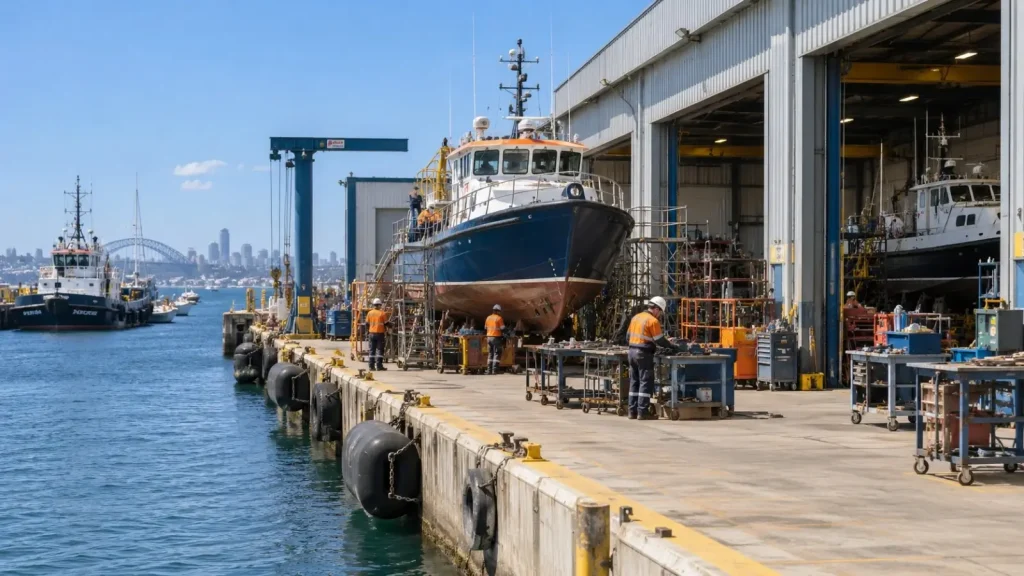
Marine & Shipyard Workshops
Shipyards, boat builders and marine engineering facilities can operate several high-demand systems including welding equipment, CNC machinery, cranes, winches, compressors and pumps.
Peak site demand can rise considerably when multiple systems operate simultaneously.
Marine facilities may also be located where additional grid capacity is difficult or expensive to establish.
Manage Peak Power may allow energy to be stored during lower-demand periods and used when workshop demand increases.
Potential benefit: reduce peak-demand exposure and increase productive electrical capacity at established marine facilities.
The right solution depends on how much additional power is required, for how long and how often.
Increasing Grid Capacity May Make More Sense When:
additional demand is continuous;
the site’s base load has permanently increased;
equipment operates near maximum power for long periods;
there is limited opportunity for battery recharge.
Manage Peak Power May Make More Sense When:
high demand occurs intermittently;
equipment operates in repeated cycles;
peak demand is significantly higher than average demand;
the business is paying for capacity that is only periodically required;
additional grid capacity is expensive or difficult to obtain;
available power is restricting equipment installation or location choice.
The key question is not simply how much power the equipment needs.
It is:
How much power does it need, for how long, and how often?

Is Your Site Suitable?
Manage Peak Power is most relevant where there is a significant difference between normal demand and maximum demand.
Star 8 Green considers:
existing electrical supply;
electricity tariff and demand structure;
normal and maximum equipment demand;
duration and frequency of peak events;
other simultaneous site loads;
battery recharge opportunities;
future expansion requirements.
The aim is to determine whether peak demand can be managed more efficiently rather than automatically increasing permanent grid capacity.
Frequently Asked Questions
What is peak power?
Peak power is the maximum electrical power required by equipment or a facility during a particular period. It can be substantially higher than normal demand but may only occur occasionally.
How can Manage Peak Power reduce electricity costs?
Depending on the electricity tariff, battery storage may reduce the amount of maximum demand drawn directly from the grid.
Energy can be stored during lower-demand or potentially lower-cost periods and used when equipment demand increases.
Actual savings depend on the site’s tariff, load profile, and system configuration.
Does my site need to have insufficient power?
No. A site may already have enough electrical capacity but still benefit from reducing peak grid demand.
Manage Peak Power can address cost, capacity, or both.
Can Manage Peak Power avoid a grid upgrade?
Potentially. If additional power is required intermittently, stored energy may provide another option before permanent grid capacity is increased.
Continuous high demand may still require additional infrastructure.
How do I know if my site is suitable?
If maximum electrical demand is significantly higher than normal demand – particularly for short or repeated periods – Manage Peak Power is worth assessing.
Why Pay for Peak Power You Only Need Periodically?
Your business may not need more power all day. It may only need more power at the moments that matter.
Star 8 Green can assess your electrical supply, equipment demand, electricity tariff and operating profile to determine whether Manage Peak Power could:
reduce peak demand costs;
provide additional equipment capacity;
reduce reliance on grid upgrades;
increase flexibility over where your business operates.
Healthcare | CNC Manufacturing | Metal Fabrication | Injection Moulding | Construction | Marine
Discuss My Requirements